
Blood clots are not something to ignore—they can develop quietly, progress quickly, and sometimes become life-threatening if left untreated. While many people assume leg pain, swelling, or varicose veins are just cosmetic issues, they are often symptoms of deeper vein problems that require professional attention. This is exactly where finding a vein specialist doctor near me becomes essential. Early diagnosis and treatment not only relieve discomfort but also significantly lower the risk of developing dangerous blood clots.
Understanding How Blood Clots Form
A blood clot forms when blood thickens and clots together, often due to slow circulation or damaged vein walls. Veins in the legs are especially vulnerable because they work against gravity to push blood back to the heart. When the valves inside these veins begin to fail—a condition known as venous insufficiency—blood pools, inflammation increases, and the risk of clot formation rises.
People with these conditions often dismiss symptoms such as:
Aching or heaviness in the legs
Swelling, especially after standing
Visible varicose veins
Warmth or tenderness in certain areas
These signs should never be ignored. Seeking a vein specialist doctor near me ensures these symptoms are evaluated before they evolve into complications like Deep Vein Thrombosis (DVT).
Why a Vein Specialist Matters More Than a General Physician
General doctors can treat basic vascular symptoms, but a dedicated vein specialist offers a deeper, more targeted approach. They use advanced diagnostic tools—ultrasound mapping, vascular imaging, and vein flow studies—to identify hidden issues early. This is essential for preventing blood clots because many dangerous vein conditions can exist without obvious visible signs.
A vein specialist doctor near me is also trained to identify risk factors such as:
Family history of vein disease
Hormonal changes
Obesity
Sedentary lifestyle
Previous leg injuries
Chronic venous insufficiency
Varicose or spider veins
These small but important details help the doctor choose the right treatment path—something large hospitals or general practices often overlook due to a lack of specialization.
How a Vein Specialist Helps Prevent Blood Clots
1. Accurate Diagnosis Using Advanced Ultrasound
Early detection is the strongest defense against blood clots. A vein specialist uses high-resolution ultrasound to map vein function, check for blockages, and monitor blood flow patterns. This allows them to spot clot risks before they develop into something more serious.
2. Personalized Treatment Plans
Instead of giving the same recommendation to every patient, a specialist tailors the plan to the person’s vein health, lifestyle, and risk factors. Treatments may include:
Endovenous laser therapy
Radiofrequency ablation
Sclerotherapy
Vein glue procedures
Microphlebectomy
Medication management
Personalized care is the key difference between a specialist and a general clinic.
3. Preventive Lifestyle Guidance
Specialists offer advice on improving circulation and strengthening vein health, such as:
Daily walking routines
Leg elevation techniques
Compression stockings
Hydration and diet recommendations
These simple adjustments significantly reduce clot risks.
Why Convenience and Proximity Matter
When symptoms like swelling or sudden leg pain appear, timing is critical. Having a vein specialist doctor near me means:
Faster appointments
Easier follow-ups
Immediate care during flare-ups
Consistent monitoring
Blood clots can progress quickly, and the ability to reach your doctor without delays can make a meaningful difference in outcomes.
Conditions a Vein Specialist Treats That Reduce Blood Clot Risk
● Varicose Veins
Not just cosmetic—untreated varicose veins contribute to chronic inflammation and clot formation.
● Deep Vein Thrombosis (DVT)
One of the most dangerous forms of clotting often requires urgent intervention.
● Chronic Venous Insufficiency
When veins fail to circulate blood properly, danger increases significantly.
● Spider Veins and Microvascular Issues
While smaller, they can still signal underlying dysfunction.
Each of these conditions benefits from targeted treatment offered only by an experienced vein specialist.
Final Thoughts
Choosing the right specialist is one of the most effective steps you can take to protect your long-term vein health and reduce the risk of blood clots. A dedicated expert understands the complexity of your vascular system, provides advanced treatments, and delivers preventive care tailored to your needs. If you’ve been experiencing swelling, leg fatigue, or varicose veins, now is the time to consult a professional.
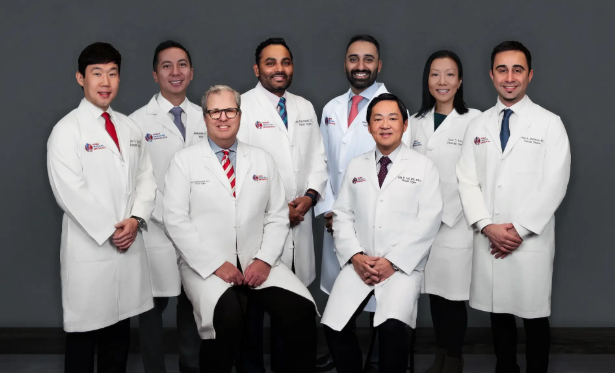
To ensure expert-level care and reliable long-term results, consider scheduling an appointment with Dr. Eddy Luh.




Write a comment ...